Discreet Shipping Across Australia and New Zealand
THC Vapes vs Smoking Weed

THC Vapes vs Smoking Weed in Australia 2025 – What’s the Safest, Smartest Option?
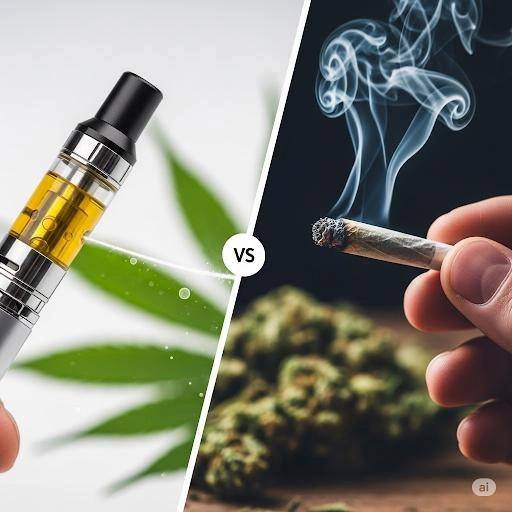
As cannabis culture blooms Down Under, many Australians are asking: “THC vapes vs smoking weed Australia 2025 – which one’s safer?” Let’s dissect through the smoke and vapour, weigh the facts, and help you make a fair decision that’s smart for your health and your wallet. Plus, I’ll throw in some steps to guide you over to aussiethcvapes.com/shop for deep dives on the best thc vape brands in Australia.
1. Why Compare THC Vapes vs Smoking Weed?
Whether you’re flicking a lighter or flicking on a vape pen, how you consume cannabis matters. It affects how high you get, how harsh it hits your lungs, and whether you’ll feel crook later on. We’ll look at both sides the good, the bad, and the ugly.
2. The Hard Facts: Safety & Health Concerns
2.1 Vapour vs Smoke: Cleaner or Just Different?
- Bird’s-eye view: Vaping heats cannabis below combustion temperature, cutting out most tar and carcinogens (like benzene, naphthalene, toluene) often present in smoke. One study found cannabis smoke had 111 compounds; vapour had only three besides cannabinoids.
- Medical-grade dry herb vaporizers in clinical studies show minimal harmful byproducts—making them a “safe and effective cannabinoid delivery system.”
2.2 The Catch: Vaping’s Own Risks
- EVALI (lung injury): Serious lung illnesses like EVALI have been linked to vaping, especially when using dodgy, black-market THC oils or harmful additives like vitamin E acetate. In the 2019–2020 U.S. outbreak, over 2,800 were hospitalised and 68 died.
- Other health symptoms: Vaping can result in pneumonia, alveoli damage, even death.
- Additives & hardware dangers: Heavy metals from shoddy vape hardware and the heating of THC-oil additives into toxic compounds pose genuine risks.
- Mental health and impairment: Vaping often results in a stronger high than smoking, especially for newbies—this can increase chances of paranoia, greening out, or short-term memory issues.
2.3 Smoking Isn’t Innocent Either
- Combustion byproducts are well known to harm lungs and organs—smoking increases the risks of respiratory conditions, cancers, heart disease, stroke and more.
- Mental effects: Smoking still delivers quick onset but with fewer surprises compared to vaping—less mind-parsing paranoia or overconsumption.
3. So, Is Vaping Less Harmful?
Here’s a snapshot comparison:
| Method | Pros | Cons |
|---|---|---|
| Vaping | Fewer toxins (if using herb); discreet; efficient dosing | Risk of lung injury (EVALI), additives, hardware issues, stronger high |
| Smoking | Immediate effects; simpler; familiar | Smoke-related carcinogens, long-term lung/heart risks |
Bottom line: Vaping can be safer than smoking when you use reputable dry herb vaporizers or clean products—but the devil’s in the details. Poor-quality vape pens and concentrates can be riskier than a good old joint.
4. What the Experts Say—Across the Board
- Verywell Health (CDC notes): Vaping isn’t necessarily safer—even a small study found pneumonia, bronchiolitis, and fatal cases linked to it.
- Healthline: Vaping concentrates ramps up potency, raising overconsumption risks. Plus, vitamin E acetate and heavy-metal contamination have real dangers.
- Canatura: Vaping avoids combustion; you’re getting more cannabinoids efficiently—but be mindful of additives.
- Medical studies: Clinical vaporizers reduce toxic exposure, but long-term effects remain unclear.
5. What’s That Mean for You in Australia?
Here’s your localised lowdown:
- Legal Medical Cannabis: If you’ve got a script, your safest bet’s legitimate, lab-tested THC products—preferably dry herb vapes.
- Avoid black-market gear: Unregulated vape pens and oils are a total minefield—vitamin E acetate and dodgy hardware are no joke.
- Start small: With stronger effects via vaping, newbies should “start low, go slow.”
- Stick to quality: Get your kit from verified Aussie suppliers like aussiethcvapes.com—we stand by safety and transparency.
6. Tips for Safer Consumption
- Go dry-herb if possible—it’s usually cleaner.
- Watch temperature—stay below combustion, around 160–190 °C.
- Stick to reputable brands—lab-tested, traceable.
- Don’t share vapes—risking disease spread or contamination.
- Don’t drive high—vaping impairs driving as much as smoking. Best to wait at least 6 hours.
- Rotate methods—edibles or tinctures have their own quirks, but no lung risk.
Conclusion on Which’s Better?
- Dry herb vaping (labs-approved) = possibly safer than smoking.
- Disposable THC-oil pens = only as safe as their quality—steer clear of dodgy stuff.
- Smoking = harsh on your lungs, but simple and predictable.
Your choice should factor in health, legality, and personal preference. If you’re curious or want gear recommendations built for Australia—like top-rated vaporizers or local strain guides—head to aussiethcvapes.com and let’s sort it out.
Ready to go smarter, not harder? Pulse over to aussiethcvapes.com to suss out reputable vaporizers, dive deep into strain profiles, and stay safe with lab-tested gear. Your lungs—and your future self—will thank you.